Medicinal Bushes Every Homestead Should Have
Last updated on April 21st, 2026 at 12:38 pm
Simple, medicinal bushes for homestead, that nourish, heal, and grow with your family
Food and Medicine from the Same Place
In the past, food and medicine came from the same place—nature. Some of it was right outside your door, while other remedies were gathered from nearby meadows and woods.
Many of us didn’t grow up experiencing that kind of life. I know I didn’t until recent years, and I can honestly say there is nothing better.
Stepping outside your door and seeing a flourishing garden, herbs growing strong, and bushes heavy with fruit does something deep in your soul before anything is even picked or eaten. I can’t fully explain it, though I’m sure there’s something scientific behind it. But what I do know is this—there is a kind of joy and peace that comes from growing your own food and medicine.
To me, it feels like a quiet reminder from God: this is how it was always meant to be.
I’ve touched on herbs for the homestead in a previous post—for both people and animals—but today I want to focus on something just as important: medicinal bushes every homestead should have.
One of the best things about medicinal bushes is how much they offer. Many serve a dual purpose—providing both nourishing fruit and natural remedies. Some even serve a third purpose, acting as natural fencing or privacy barriers.
Most of these bushes are perennials, meaning they come back year after year. There’s no need to replant each season, and some will even need a bit of tending to keep them from taking over. They support pollinators, provide for wildlife, and help build a more self-reliant and prepared homestead.
Please read our Disclaimer and Terms & Conditions

Why Plant Medicinal Bushes on Your Homestead
Planting medicinal bushes isn’t just about adding plants—it’s about building a lifestyle rooted in intention.
These are a few reasons they’re worth the space:
- They provide both food and natural remedies
- They return year after year with little maintenance
- They support bees, birds, and beneficial insects
- They help create natural boundaries and windbreaks
- They encourage self-reliance and preparedness
Over time, these bushes become part of your rhythm—something your children grow up recognizing, harvesting, and using.
Medicinal Bushes Every Homestead Should Have
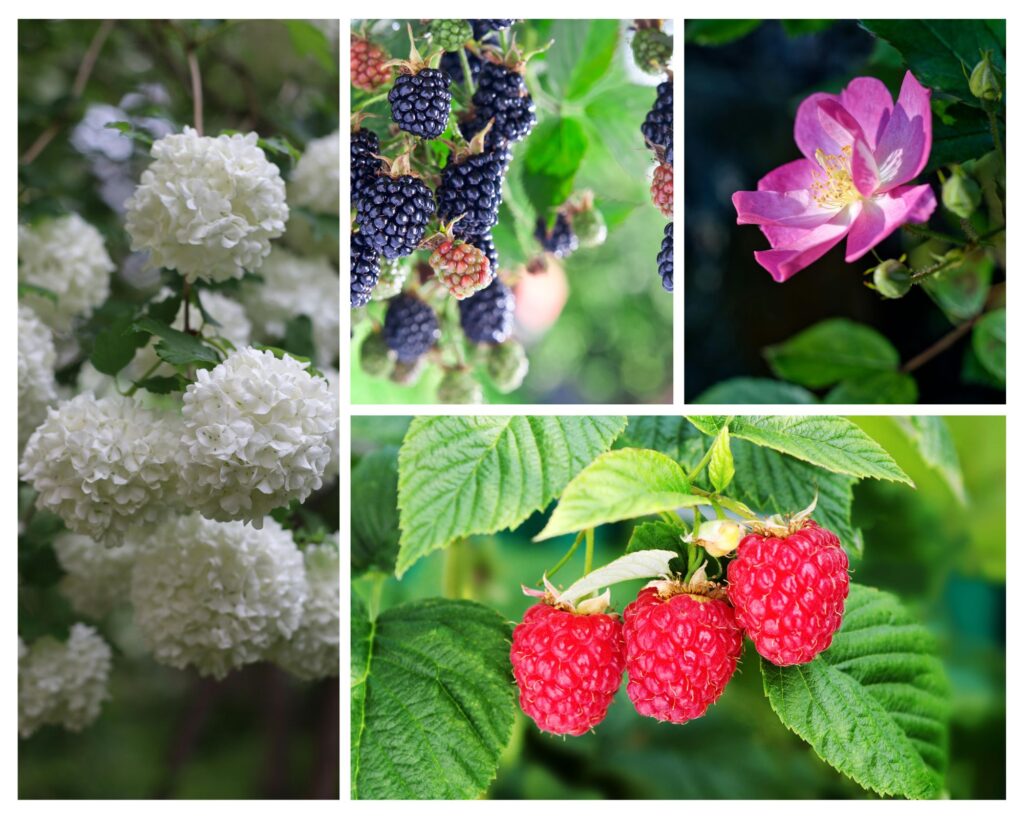
Cramp Bark (Snowball Bush / Viburnum opulus)
Cramp bark is one of those plants that quietly does important work. While it’s often grown for its beautiful snowball-like flowers, its real value lies in the bark.
Traditionally, cramp bark has been used to help relax muscles and support the body during times of tension, especially for women’s health.
- Used for: muscle cramps, tension, discomfort
- Part used: bark
- How to use: tinctures or decoctions
This is not a fast-growing plant, but it’s one worth the patience.
Raspberry (Red Raspberry Leaf)
Raspberries are one of the easiest and most rewarding bushes to grow. They spread quickly, produce generously, and offer both food and medicine.
While the berries are well loved, the leaves are where much of the medicinal value lies.
- Used for: supporting women’s health, digestion
- Part used: leaves (especially young leaves)
- How to use: herbal tea
This is a wonderful plant for beginners and a staple on any homestead.
Blackberry
Blackberries are hardy, resilient, and often thrive with very little help. Like raspberries, they offer both fruit and medicinal benefits.
They can also serve as a natural fence with their thick, thorny growth.
- Used for: digestive support, general wellness
- Parts used: leaves, roots, berries
- How to use: teas, fresh eating, preserves
If you’ve got space, blackberries will gladly fill it.
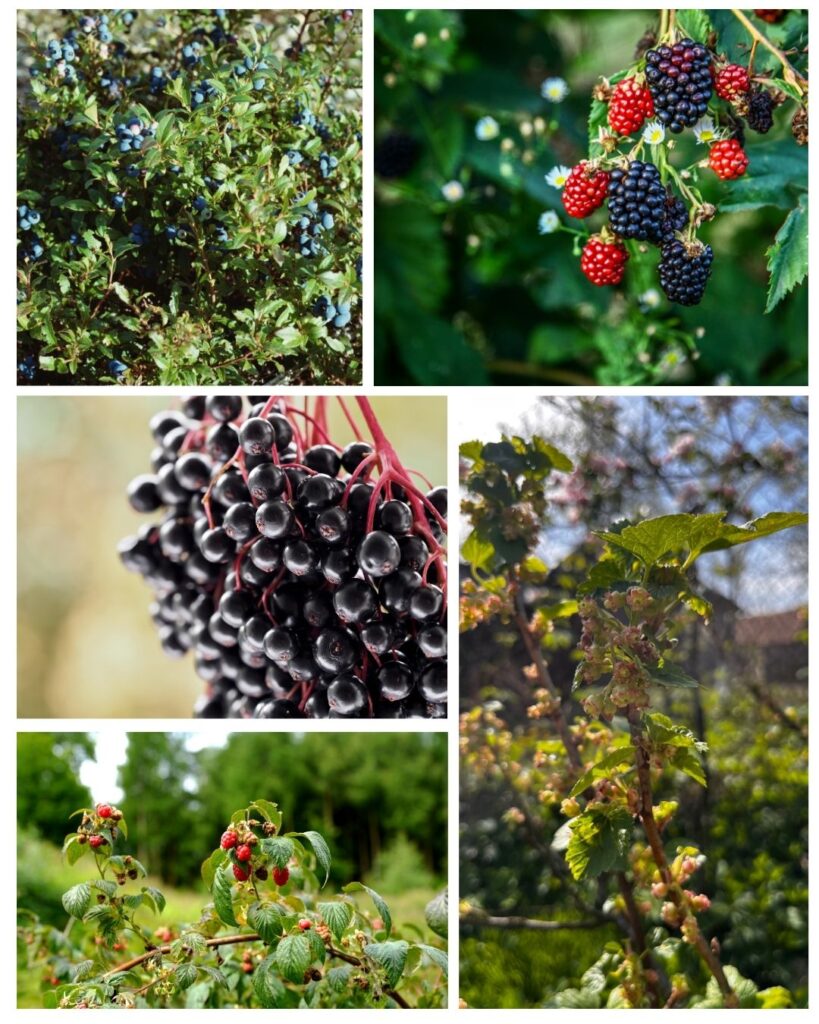
Elderberry
Elderberry is one of the most well-known medicinal plants—and for good reason.
It has long been used to support the immune system and is a favorite during cold and flu season.
- Used for: immune support
- Parts used: berries and flowers
- How to use: syrups, teas, tinctures
Important note: Elderberries should always be properly prepared before consuming.
Rose (Wild Rose or Rugosa)
Roses aren’t just beautiful—they’re incredibly useful.
Rose hips, which form after the blooms fade, are packed with vitamin C and are wonderful for teas and syrups.
- Used for: immune support, skin care, calming
- Parts used: petals and hips
- How to use: teas, infused oils, syrups
They also make a lovely and practical border with their thorny branches.
Currants (Black, Red, or White)
Currants are often overlooked, but they are incredibly nutrient-dense and grow well even in partial shade.
- Used for: overall nutrition and wellness
- Parts used: berries and leaves
- How to use: fresh eating, jams, teas
These are a great option if your growing space is limited or shaded.
Blueberries
Blueberries are a long-term investment, but well worth it.
They require a bit more care—especially acidic soil—but once established, they provide year after year.
- Used for: antioxidants and overall health
- Parts used: berries (and sometimes leaves)
- How to use: fresh, dried, preserves
Simple Ways to Use What You Grow
You don’t need a complicated system to begin using these plants.
Start simple:
- Dry leaves for teas
- Make small batches of syrup
- Learn basic tinctures over time
- Store extra for winter months
It’s not about doing everything at once—it’s about building knowledge little by little.
A Gentle Reminder
There is a lot to learn when it comes to medicinal plants, and that’s okay.
Start slow. Learn each plant. Use what you understand. Respect what you grow.
This kind of knowledge isn’t meant to overwhelm—it’s meant to be lived out over time and passed down.
Conclusion: Planting for the Future
You don’t need to plant everything at once.
Start with one or two bushes. Learn them well. Let them become part of your home and your routine.
Over time, your homestead will grow into something more than just a place that provides food—it will become a place that provides comfort, healing, and a deeper connection to the way things were meant to be.



Lots of good info here! I love growing and foraging for medicinals! Pinning this. 🙂