
Prepare Every Needful Thing
Last updated on December 18th, 2025 at 04:00 pm
With the world becoming more and more chaotic, scary, and uncertain, it’s easy to feel weighed down by fear. Yet, throughout the scriptures, God says fear not. Why? How? How do we not fear when we constantly hear about wars, tariffs, conflicts, riots, corruption in the food industry, and even problems in the medical world?
Please read our disclaimer and Terms & Conditions
Doctrine and Covenants 88:91 states in the last days, “all things shall be in commotion; and surely, men’s hearts shall fail them; for fear shall come upon all people.”
So how do we stop fear from causing our hearts to fail? How do we keep hoping and enduring until the day Christ comes? How can we look out into the world and say, “yeah, this is fine”?
It’s not easy to just snap our fingers and stop being afraid. But here’s the good news: God doesn’t just tell us not to fear. He gives us ways to help us.
One of my favorite scriptures is Doctrine and Covenants 88:119: “Organize yourselves; prepare every needful thing.”
God doesn’t expect us to simply ignore fear—He expects us to ‘prepare every needful thing’ so we don’t have to live in fear.
Three Categories of Preparedness
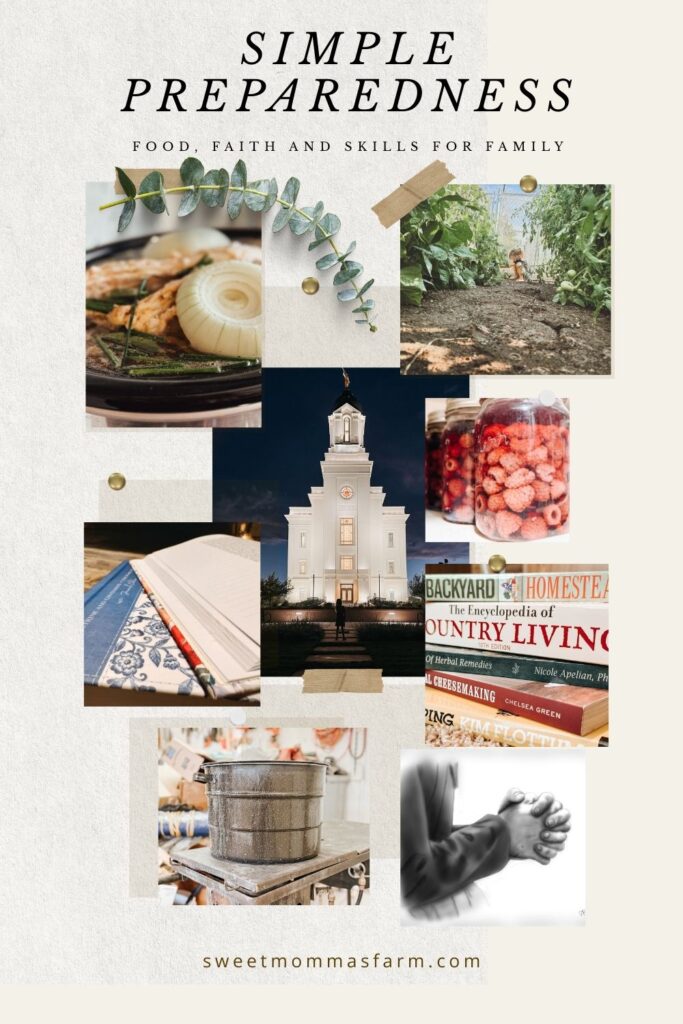
In my opinion there are three main categories of preparedness: physical, spiritual, and mental (or knowledge). Let’s go over each briefly. I’ll share more in-depth posts on each one soon.
1. Physical Preparedness
When natural disasters or shutdowns happen—like floods, earthquakes, fires, or even a pandemic—it’s important to be ready. Knowing you have what you need when something unexpected happens can change everything.
When the shutdown happened during COVID, I remember very clearly not being worried. We didn’t rush to the store and buy food or toilet paper. We had what we needed, and it made a world of difference!

A few things to consider:
- Emergency backpacks: Create or purchase a backpack for each family member. Pack non-perishable food, clothing, blankets, hygiene products, a pillow or sleeping bag, water bottles or a water filter. Revisit every three months to make sure items are still in good condition. Practice family drills so everyone knows what to do in an emergency.
- Food storage: Start small—aim for a week’s worth of food. Then slowly work toward a year or more. Store things your family actually eats, along with hygiene items (remember how people felt about toilet paper!).
- Water: Make sure you have clean water or a way to filter it.
- Finances: Build a reserve if possible. Even a small savings can be a lifeline if a job is lost or income drops.
Preparedness is less overwhelming when you build it little by little.
2. Spiritual Preparedness
The rest of Doctrine and Covenants 88:119 says: “Establish a house, even a house of prayer, a house of fasting, a house of faith, a house of learning, a house of glory, a house of order, a house of God.”
Spiritual preparedness gives us strength when everything else feels shaky. Some simple ways to begin:
- Study the scriptures.
- Go to the temple
- Pray individually and as a family.
- Listen to the counsel of prophets and apostles.
- Discuss as a family what your home needs most to become a “house of God.”



In a future post, I’ll break down what each of these phrases in D&C 88 means. For now, start by praying and counseling with your family about where you can begin. It’s also important to listen to what your children have to say. It has been amazing what our daughter has suggested, and it has blessed our family when we have followed through on them.
3. Mental Preparedness (Knowledge)
This is one of my favorite parts of preparedness. Prepare every needful thing isn’t just about what you can carry, but something far more powerful. Something no one can ever take from you. Knowledge. Gaining new knowledge and skills may not always be easy—but it blesses your family in powerful ways.
One way this has helped our family is by eating healthier and healing our bodies. Not only do we feel better, but when we have struggled financially, it has helped us make our money go further, allowing us to get to the next paycheck. Even simple skills, like baking bread or gardening, have brought us peace and confidence.
Some skills to consider learning:
- Baking bread
- Making cheese
- Basic carpentry or repairs
- Gardening and nutrition
- Food preservation (canning, dehydrating, fermenting)


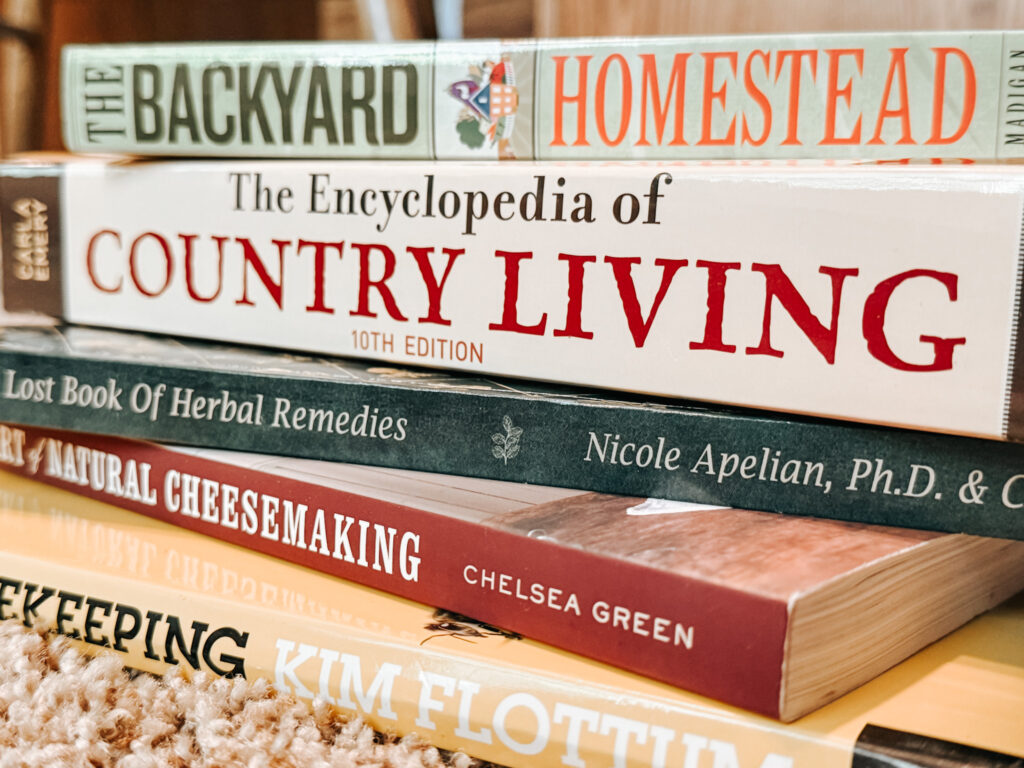
Knowledge not only cuts costs but also empowers you. I cannot stress enough the comforting feeling I have knowing I can feed my family even if there was no grocery store access, or how to clothe my family if needed. When you know how to provide for your family in simple ways, fear loses its grip.
Final Thoughts
We do not need to fear if we are prepared. I know this may all seem overwhelming, especially if you are new to this. Pray and ponder what things you and your family may need most right now. Don’t rush out on a spending spree—plan thoughtfully and take small, steady steps.
This week, choose one small step—whether it’s setting aside a little extra food, starting family prayer, or learning a new skill. Preparation doesn’t have to be overwhelming.
There is nothing to fear when we heed God’s warnings. He is coming and now is the time to prepare. God will take care of us if we follow His counsel to “prepare every needful thing.”