Tallow: The Old-Fashioned Skin care Secret Making a Comeback
Why this old-fashioned skin care ingredient has earned a permanent place in our home, our soap, and our shampoo bars.
Please read our Disclaimer and Terms & Conditions
There is something deeply comforting about knowing exactly what goes into the products you use every day.
For years, I struggled with the same questions many families are asking now. Why do so many skincare and haircare products contain ingredients we can’t pronounce? Why do we need a dozen different bottles to care for our skin and hair? And why do so many products promise healthy skin while leaving it feeling dry, irritated, or dependent on yet another product?
As our family began moving toward a more natural lifestyle, we started looking to the old ways for answers. We learned to cook from scratch, grow food, raise animals, and make more of what we use with our own hands. Along the way, we rediscovered one of the most traditional ingredients our ancestors relied on for generations: tallow.
For centuries, tallow was a staple in homes across the world. Long before modern skincare companies existed, families used tallow in soaps, balms, salves, and household products. It wasn’t trendy, it wasn’t marketed as a miracle ingredient, it was simply practical, effective, and readily available. Something everyone had.
Today, as more people seek simple and natural alternatives, tallow is finding its way back into homes—and for good reason.
What Is Tallow?
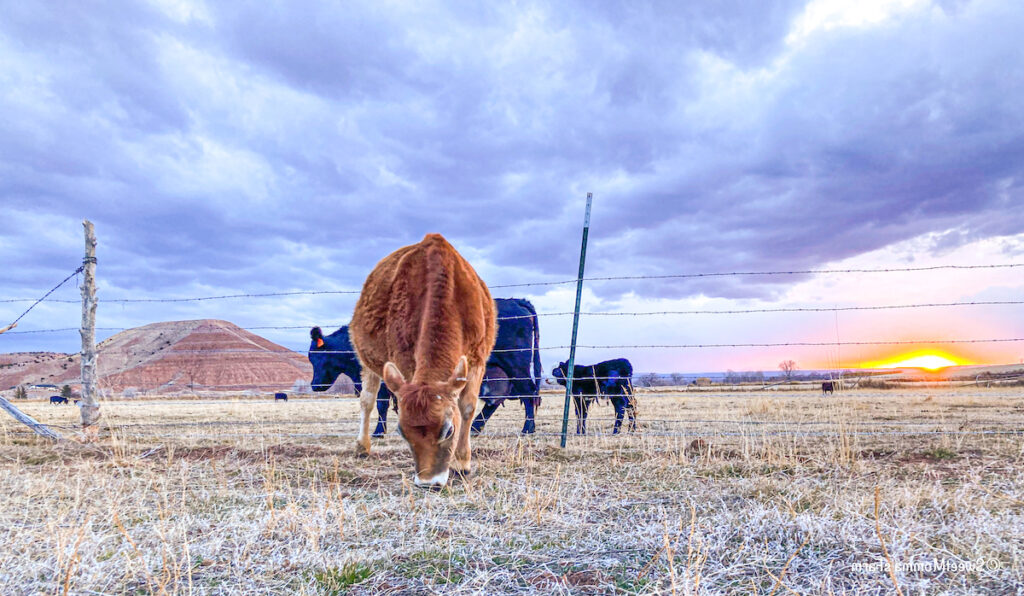
Tallow is rendered beef fat that has been slowly purified into a stable, usable form.
While that may not sound glamorous by modern standards, our ancestors understood something we’ve largely forgotten: some of the best resources come directly from the land and animals God has provided.
Traditionally, tallow was valued because it was versatile, long-lasting, and useful in everything from cooking to soapmaking. Families wasted very little, using as much of the animal as possible out of respect and stewardship.
At Sweet Momma’s Farm, that philosophy resonates deeply with us. We believe in honoring what God provides, caring for animals well, and making thoughtful use of the resources we’ve been given.
Why Tallow Works So Well for Skin
One reason tallow has remained popular for generations is that it contains fatty acids that help support the skin’s natural barrier.
The outer layer of our skin serves as a protective barrier that helps retain moisture and shield us from environmental stressors. When that barrier becomes compromised, skin may feel dry, rough, or irritated.
Tallow contains several naturally occurring fatty acids, including:
- Oleic acid
- Palmitic acid
- Stearic acid
- Linoleic acid (in smaller amounts)
These fatty acids are commonly found in many moisturizers because they help soften and condition the skin.
1. Tallow Helps Lock In Moisture
One of tallow’s most appreciated qualities is its ability to act as an occlusive moisturizer.
In simple terms, it helps reduce moisture loss by creating a protective layer on the skin’s surface.
This doesn’t mean it adds water to the skin. Rather, it helps the skin retain the moisture it already has.
Many people find that tallow-based products leave their skin feeling soft and comfortable for longer periods compared to lighter lotions that quickly disappear.
2. Supports the Skin Barrier
Healthy skin depends on a healthy skin barrier.
Research has shown that fatty acids play an important role in maintaining barrier function and skin hydration. Because tallow naturally contains several beneficial fatty acids, it can help support skin that feels dry or compromised.
This is one reason many people gravitate toward tallow products during winter months when skin is exposed to cold air, wind, and dry indoor heating.
3. Rich in Naturally Occurring Vitamins
Grass-fed tallow contains naturally occurring fat-soluble vitamins, including:
- Vitamin A
- Vitamin D
- Vitamin E
- Vitamin K
These vitamins are important for overall skin health. While skincare products alone are not a substitute for nutrition, many people appreciate using products that contain naturally occurring nutrients rather than relying solely on synthetic additives.
4. Gentle and Simple
One of the greatest benefits of tallow may simply be what it doesn’t contain.
A quality tallow balm or soap often requires only a handful of ingredients. For families trying to reduce exposure to unnecessary fragrances, dyes, preservatives, and fillers, simplicity can be refreshing.
Why Tallow Makes Incredible Soap
When it comes to soapmaking, tallow has a nearly unmatched reputation.
Traditional soapmakers have relied on it for centuries because it creates a balanced bar with qualities that are difficult to achieve using a single plant oil alone.
Rich, Creamy Lather
Tallow produces a dense, creamy lather that feels luxurious without being overly stripping.
Unlike some soaps that leave skin feeling tight and squeaky, a properly formulated tallow soap cleans effectively while helping maintain comfort.
Long-Lasting Bars
One of the practical advantages of tallow soap is durability.
Tallow contributes hardness to soap, helping bars last longer in the shower and reducing waste. That’s a feature our ancestors appreciated, and one modern families can appreciate too.
Balanced Cleansing
Soap made with tallow can cleanse effectively without being excessively harsh.
Of course, every soap formula is different, but tallow is widely respected among soapmakers for creating a balanced, gentle cleansing bar.
Tallow and Hair Care: Why We Use It in Shampoo Bars
Many people are surprised to learn that tallow can also play a valuable role in hair care.
As families move away from conventional shampoos filled with synthetic detergents, shampoo bars have become increasingly popular.
Tallow brings several unique qualities to these bars.
Helps Create a Gentle Cleanser
Hair needs cleansing, but it also needs protection.
Many conventional shampoos contain strong surfactants that can remove both dirt and a significant amount of the scalp’s natural oils. For some people, this can contribute to dryness or irritation.
Tallow-based shampoo bars tend to provide a gentler cleansing experience while still helping remove dirt and excess oil.
Supports Soft, Manageable Hair
Because tallow contains conditioning fatty acids, many users report that their hair feels softer and less brittle after transitioning to traditional shampoo bars.
Results vary from person to person, and hair often goes through an adjustment period when switching away from conventional products, but many people appreciate the simplicity of a more traditional routine.
Pairs Well With Traditional Hair Care
Tallow shampoo bars fit naturally alongside old-fashioned hair care practices such as:
- Apple cider vinegar rinses
- Reducing washing frequency
- Using fewer styling products
- Embracing natural hair texture
- Choosing simpler ingredients
These methods have been used for generations and continue to be embraced by many homesteading families today.
Why We Prefer Grass-Fed Tallow
Not all tallow is created equal.
Grass-fed tallow generally contains a different fatty acid profile than conventionally raised cattle and is often preferred by artisan soapmakers and skincare makers for its quality.
More importantly for us, choosing grass-fed tallow aligns with our values.
We believe animals deserve proper care. We believe stewardship matters. And we believe the quality of what goes into a product matters just as much as the final result.
The Homestead Lesson Hidden in Tallow
What I love most about tallow isn’t simply what it does for skin or hair.
It’s what it represents.
It reminds me that God’s design is often simpler than we make it. That previous generations knew how to work with what they had rather than constantly searching for something new. And how a good things doesn’t always come in fancy packaging.
Sometimes the best ingredients are the ones that have quietly stood the test of time.
The old ways weren’t perfect, but they carried wisdom. Families knew how to use what was available, care for their homes, and create useful products from simple ingredients.
Tallow is one small example of that wisdom.
As our family continues learning and embracing a slower, more intentional way of life, it remains one of our favorite ingredients for soap, shampoo bars, and skincare products.
Not because it’s trendy.
Not because it’s a miracle cure.
But because it is simple, practical, nourishing, and rooted in traditions that have served families well for generations.
And around here, those are exactly the kinds of things we’re trying to hold onto.
Frequently Asked Questions About Tallow
Is tallow good for sensitive skin?
Many people with sensitive or dry skin enjoy tallow-based products because they often contain fewer ingredients than conventional skincare products. However, everyone’s skin is different, and individual results will vary.
Does tallow clog pores?
Research on tallow specifically is limited. Like many oils and fats, it may work well for some skin types and not for others. People with acne-prone skin should test products carefully to see how their skin responds.
Is grass-fed tallow better?
Many makers prefer grass-fed tallow because it contains naturally occurring fat-soluble vitamins and aligns with more traditional, pasture-based farming practices.
Can tallow help hair?
Tallow-based shampoo bars can help cleanse while contributing conditioning fatty acids. Hair type, water quality, and overall hair care routine will all affect results.
Want to try Tallow soap for yourself? Support our farm and try our soaps and body butter today!


